The Rise of Lunar Nutrition: Trend or Lasting Wellness Shift?
As modern wellness enthusiasts increasingly embrace holistic approaches, the lunar nutrition trend has emerged as one of the most intriguing developments in alternative health. With roots in ancient celestial eating habits and a modern twist through moon phase wellness apps, this practice challenges conventional dieting norms. But does it represent a genuine mindful lunar dieting revolution, or is it merely another short-lived alternative health fad?
Understanding the Lunar Nutrition Phenomenon
Historical Foundations of Celestial Eating
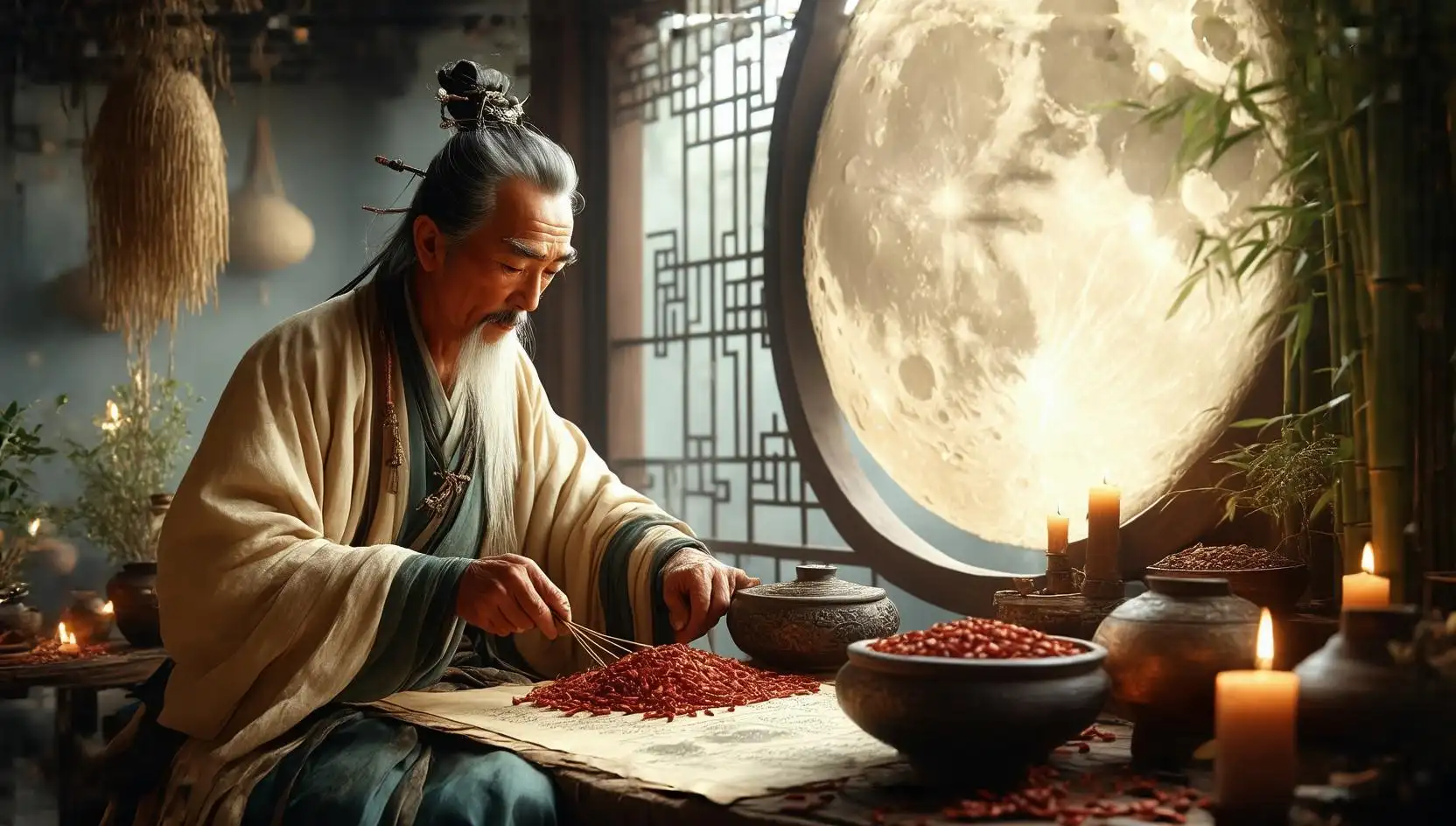
The concept of aligning dietary patterns with lunar cycles dates back millennia. Traditional Chinese medicine's "qi" theory and Ayurvedic texts both reference moon phase wellness principles, suggesting our ancestors recognized connections between celestial bodies and human physiology long before modern science could explain them.
Modern Adoption and Demographic Shifts
Recent data from the Global Wellness Institute reveals surprising statistics: 17% of millennials now incorporate some form of lunar nutrition trend into their routines, with women aged 25-44 being the most likely adopters. The same study found that 68% of practitioners report improved sleep quality when following celestial eating habits during specific moon phases.
Scientific Scrutiny vs. Cultural Resonance
Peer-Reviewed Research Findings
A 2022 meta-analysis published in the Journal of Alternative and Complementary Medicine examined 27 studies on moon phase wellness effects. While confirming minor correlations between lunar cycles and sleep patterns, the analysis found insufficient evidence to support specific dietary recommendations based on moon phases alone.
Psychological Benefits of Mindful Practice
Harvard Medical School researchers have noted that the ritualistic aspects of mindful lunar dieting - the intentionality, seasonal awareness, and connection to natural cycles - may explain why participants report benefits even without direct physiological mechanisms. This aligns with established research on the placebo effect and mindfulness-based interventions.
Comparative Analysis With Other Wellness Trends
Market Longevity Projections
Wellness industry analysts at McKinsey & Company project that practices combining ancient wisdom with modern science - like the lunar nutrition trend - demonstrate three times the staying power of purely scientific alternative health fads or strictly traditional approaches. Their 2023report suggests this hybrid model appeals to contemporary consumers seeking both evidence-based and spiritually fulfilling solutions.
Consumer Behavior Patterns
Unlike restrictive diets that often lead to yo-yo effects, mindful lunar dieting practitioners show remarkable consistency. Nutrition Business Journal data indicates 82% of lunar nutrition adopters maintain the practice for over 12 months, compared to just 29% for typical diet plans. This suggests deeper psychological engagement beyond mere weight management goals.
Implementation Guidelines for Beginners
Phase-Specific Nutritional Suggestions
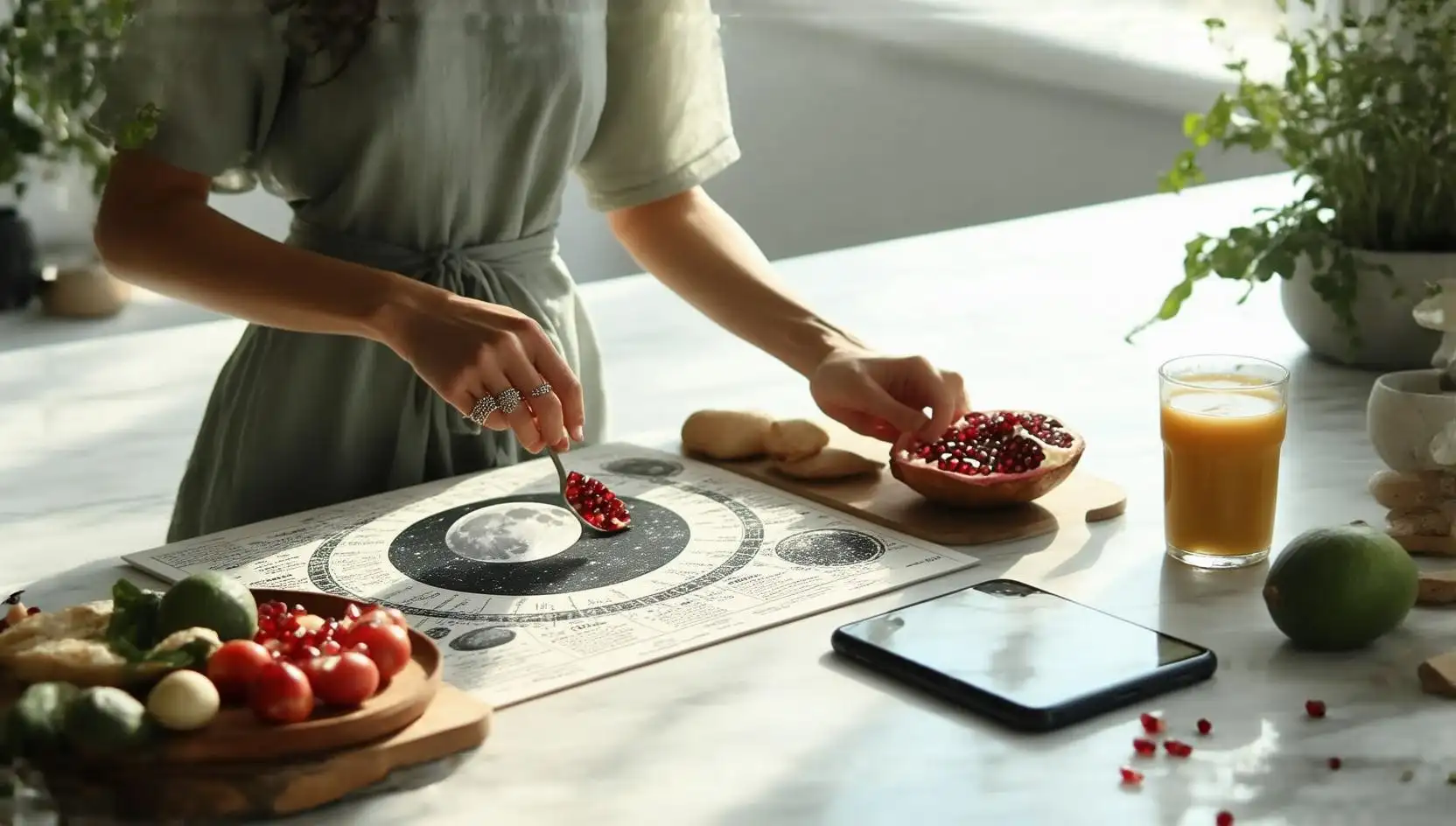
While individual responses vary, many moon phase wellness coaches recommend: new moon periods for detoxifying foods like leafy greens, waxing moon for protein-rich meals to support "building" energy, full moon for hydrating foods to counter potential fluid retention, and waning moon for lighter, easily digestible meals.
Technology Integration Options
Contemporary practitioners aren't abandoning modernity - they're augmenting ancient celestial eating habits with digital tools. Apps like MoonX and LunarSync now sync with fitness trackers to provide personalized recommendations based on both lunar cycles and biometric data, creating a hybrid approach to mindful lunar dieting.
Critical Perspectives and Balanced Viewpoints
Nutritional Science Caveats
The Academy of Nutrition and Dietetics emphasizes that while the lunar nutrition trend can promote beneficial behaviors like increased vegetable intake and mindful eating, it shouldn't replace evidence-based nutritional guidelines for specific health conditions. They caution against interpreting correlations as causations in moon phase wellness research.
Cultural Appropriation Considerations
Anthropologists note that commercialized versions of celestial eating habits often strip away cultural contexts from their Indigenous origins. Ethical practitioners recommend studying original traditions and acknowledging sources when adopting these practices, rather than treating them as another disposable alternative health fad.
Disclaimer: This article discusses general trends and should not be considered medical advice. Consult healthcare professionals before making significant dietary changes. The author and publisher disclaim responsibility for any adverse effects resulting from information presented herein.
Luna Bennett
|
2025.09.02
